Contact us for Help
+1 (615) 631-8425
Office Location
805 South Church Street, suite 17
Mental Health Care
Can Trauma Be Passed Down Through Families?
- admin
- January 31, 2026
- 7:35 pm
- No Comments
Can Trauma Be Passed Down Through Families?
Generational Trauma Explained Simply
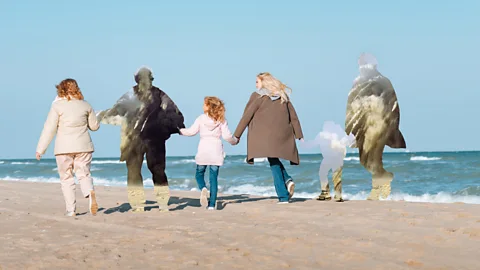
When many people think of trauma, they imagine one person’s painful experience — a car accident, assault, or the loss of a loved one. But trauma doesn’t always stay with just one person. Decades of research show trauma can shape families across generations, influencing children and grandchildren in ways that aren’t always obvious. This is often called intergenerational trauma.
What Is Generational (Intergenerational) Trauma?
Generational trauma refers to the idea that the effects of trauma experienced by one generation can influence the psychological, emotional, and even biological functioning of the next. The trauma itself isn’t re-experienced by later generations, but the impact of past trauma shows up in behaviors, beliefs, and relationships that shape how children grow up.
How Trauma Can Be “Passed Down”
There are several ways trauma shows up across generations, and it’s helpful to look at three main mechanisms: family systems and modeling, attachment patterns, and biological influences.
1. Family Systems & Behavioral Modeling
Families are systems — each member affects the others. This means one person’s trauma can influence family dynamics, behavior patterns, and emotional responses. For example:
- A parent’s unresolved trauma may lead to increased anxiety, emotional avoidance, or harsh discipline.
- Children learn from parents by watching how they deal with stress and relationships.
- Over time, harmful behaviors (like avoidance, perfectionism, or hypervigilance) can become “normal” in the family, even without explicit teaching.
Studies show that adverse experiences in parents — like childhood trauma — are linked with higher rates of adversity in their children through patterns in relationships and family functioning. This aligns with family systems theory, which highlights the interdependence of family members’ well-being.
2. Attachment & Relational Patterns
Attachment — the emotional bond formed with caregivers — plays a huge role in how children regulate emotions and connect with others. When trauma disrupts a parent’s ability to feel safe, attuned, and emotionally available, children may develop attachment patterns that reflect that insecurity. Research suggests:
- Trauma in parents may lead to behaviors like emotional withdrawal, heightened fear responses, or unpredictable caregiving.
- These caregiving patterns can shape a child’s sense of safety and emotional regulation.
- Over time, insecure attachment patterns are linked with anxiety, difficulty trusting others, and challenges managing stress.
This isn’t because children choose to repeat patterns; it’s because early relational experiences literally shape how their brains and bodies respond to stress and connection.
3. Biological & Epigenetic Influences
There’s growing interest in how trauma might influence biology in ways that affect future generations. Some research suggests that severe stress may alter gene regulation without changing the DNA sequence — a field called epigenetics. These changes can influence how genes involved in stress response are “read” by the body. For example:
- Studies involving war survivors and their descendants have found epigenetic differences in stress-related genes. These differences were observed not only in directly exposed individuals but also in their children and grandchildren.
However, scientists caution that human research is still in early stages, and no biological mechanism alone fully explains generational trauma yet. Most evidence points to a combination of biological changes plus family environment and caregiving patterns.
Real-Life Examples of Trauma Transmissio
Here are common ways generational trauma can show up:
- A child of a parent who survived repeated childhood abuse grows up with high anxiety, even without remembering the parent’s trauma.
- Families with histories of war, displacement, or systemic oppression may show similar stress patterns across generations.
- Patterns of avoidance, emotional numbness, or extreme vigilance may become family norms.
These expressions don’t mean later generations are “doomed” — but they do highlight why some families struggle with anxiety, mood disorders, or relationship difficulties long after a trauma has ended.
Why This Matters in Therapy
Understanding generational trauma helps clients see that:
- Their struggles may be influenced by patterns far older than they are.
- What feels “normal” in their family might actually be a learned response to past dangers.
- Healing isn’t just about “fixing” the past — it’s about building new ways of relating, regulating emotions, and forming secure attachments.
Therapeutic approaches that focus on attachment, regulation skills, and family patterns can help break cycles of trauma rather than letting them repeat.
In Summary
Trauma can influence future generations — not because of fate or weakness, but because of how families transmit behaviors, emotional responses, and relational patterns. While biological research continues to evolve, the most supported pathways involve family systems, modeling, and attachment experiences. Awareness of these patterns is the first step toward healing and change.
Quick Links
- Home
- About us
- Make Appointment
Services
- Individual Counseling
- Child & Adolescent Counseling
- Substance Abuse Counseling
Get In Touch
- 615-631-8425
- 805 South Church Street, suite 17 Murfreesboro Tn 37130